A Guide to Choosing the Best Food Packaging Boxes for Your Retail Business
Choosing the ideal food packaging solutions is crucial for every retail business. The decision-making process includes numerous factors, including materials, design elements, and environmental considerations. Each aspect plays a significant role in ensuring product quality and attracting customers. Business owners should assess how these elements match their brand identity and industry standards. Grasping these subtleties can make a difference in business success. What particular standards should businesses focus on to secure the best packaging outcomes?
Why Food Packaging Matters for Retail Success
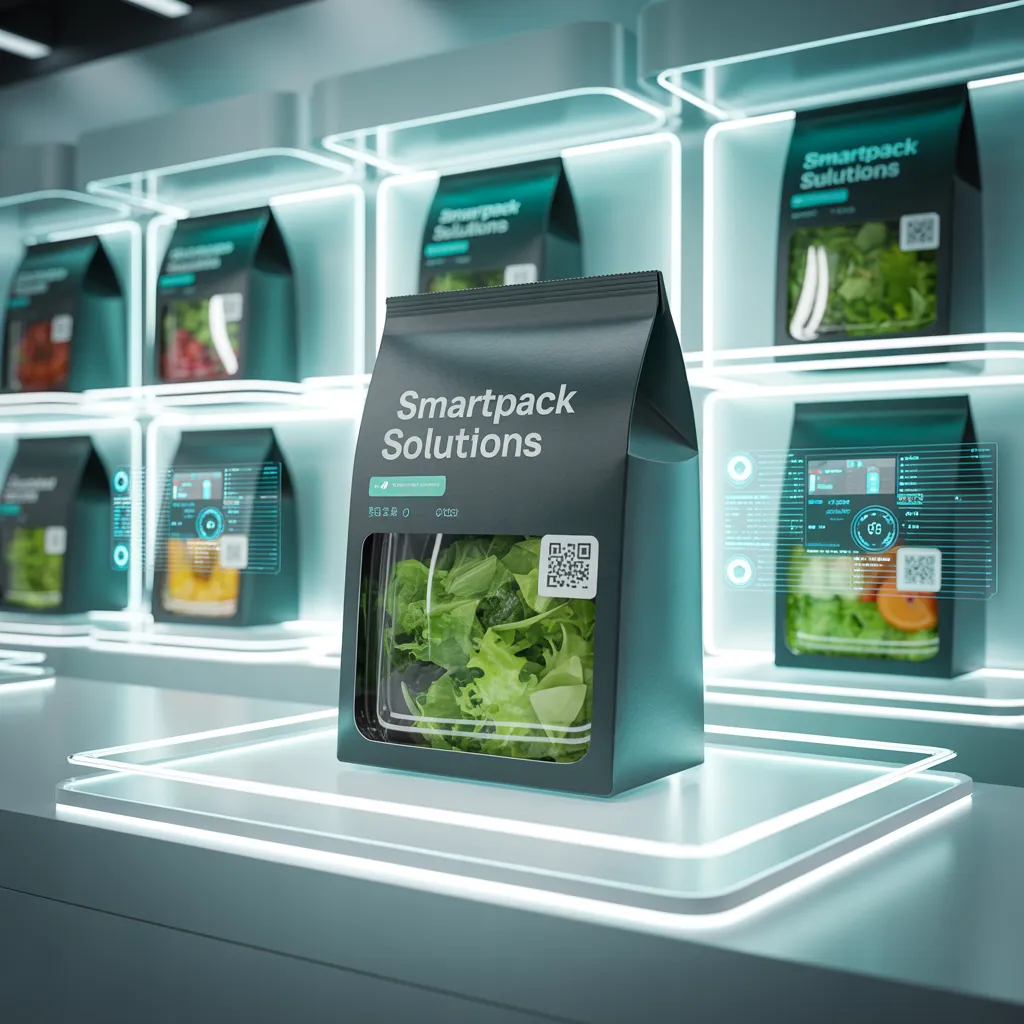
Food packaging plays an critical role in the performance of retail operations by influencing consumer perceptions and purchasing decisions. Effective packaging serves as a quiet marketing tool, conveying essential details about the item while establishing an attractive brand presence. It stands out among competing products on store shelves and can differentiate a product from competitors.
Beyond this, packaging provides consumers peace of mind regarding product quality and safety, which is fundamental in the food industry. Informative labeling, appealing designs, and sustainable materials can strengthen brand loyalty and drive repeat purchases. In addition, strategic packaging can reflect the brand's mission and narrative, creating a more meaningful connection with the consumer.
Given the expansion of e-commerce, packaging also plays an important role in ensuring that products arrive intact and preserve their visual presentation, shaping customer feedback and satisfaction levels. When all is considered, strategic packaging plays a major role in boosting sales and building lasting retail growth.
Fundamental Materials for Food Packaging
Selecting the appropriate components for food packaging is vital for preserving product integrity and securing safety. Various materials serve distinct purposes, influencing both preservation and the customer experience. Commonly used options include paperboard, which delivers durability and recyclability, rendering it an eco-friendly alternative. Plastic, particularly PET and HDPE, delivers excellent barrier properties, safeguarding food from moisture and contamination. Glass containers are preferred for their inert nature, preserving flavor and avoiding chemical interactions.
Metal packaging, including metal cans, is ideal for prolonging shelf life, particularly for perishable items. Moreover, biodegradable and compostable materials are growing in demand, supporting green initiatives. Each material's availability, cost, and compatibility with specific food types must be considered. In the end, identifying the ideal packaging material not only protects food quality but also reflects a company's dedication to environmental responsibility and safety.
How to Create Packaging That Draws in Customers
Effective packaging design plays a pivotal role in drawing in customers and boosting brand recognition. To accomplish this goal, organizations should prioritize several critical components. To begin with, the choice of color is crucial; bold colors can stir emotions and attract attention, whereas softer hues can communicate elegance. Additionally, the typeface should be sharp and readable, guaranteeing that brand titles and product descriptions are instantly recognizable at first sight.
Featuring distinctive forms or designs can additionally distinguish a product on crowded shelves, establishing a remarkable encounter for shoppers. Moreover, imagery that reflects the product's quality or origin can further entice customers. To conclude, integrating a narrative element or brand story onto the packaging nurtures a profound link with the desired audience, inspiring participation and customer commitment. Through deliberately blending these aspects, organizations can craft packaging that simultaneously draws attention and solidifies their brand presence.
Sustainable Practices in Food Packaging: Why They Matter
As consumers increasingly prioritize environmental responsibility, the value of sustainable practices in food packaging remains critically important. Retail enterprises are becoming more aware of the need to use environmentally friendly materials that cut down on waste and decrease their carbon footprint. Sustainable packaging options, such as biodegradable, compostable, or recyclable materials, not only appeal to environmentally conscious consumers but also enhance brand reputation.
Implementing sustainability strategies fosters openness and responsibility, enabling companies to align with the values of their core demographic. In addition, industry regulations are shifting towards increasingly stringent green regulations, rendering it necessary for firms to implement environmentally responsible packaging options.
Investing in green strategies can generate long-term cost savings, as companies may reduce waste expenses and improve operational efficiency. At its core, embracing green solutions for food packaging is not just a responsible obligation; it is a forward-thinking approach that establishes businesses favorably in an growing environmentally conscious marketplace.
Achieving the Ideal Balance Between Cost and Quality in Packaging
In the retail food industry, striking a balance between cost and quality in packaging is critical for business success. Enterprises must thoughtfully consider material alternatives to ensure long-lasting durability while also considering cost-effective design strategies that appeal to customers. This balance can notably impact both profit margins and brand image.
Evaluating Material Options
Identifying the most suitable option for packaging food containers necessitates a careful analysis of both financial and quality factors. Several options, such as cardboard, plastic, and biodegradable options, provide distinct strengths and weaknesses. Paperboard is often affordable and environmentally friendly, establishing it as a common selection among retailers. However, its durability may occasionally fail to satisfy the needs of certain food products. Plastic packaging provides outstanding moisture resistance and can increase shelf life, but its effect on the environment creates challenges. Sustainable materials, while often more expensive, complement green initiatives and appeal to eco-conscious consumers. In the end, the selection process should balance these considerations, ensuring the selected material protects the item while also catering to financial limitations and brand identity.
Budget-Friendly Design Approaches
Maintaining a harmony between expenses and standards in the design of food packaging demands careful planning and innovative thinking. Businesses in the retail sector should explore using consistent packaging formats to decrease production expenditures while ensuring efficient use of materials. Implementing clean yet visually appealing designs can boost brand recognition without generating excessive costs. similar resource Additionally, selecting adaptable materials supports a variety of packaging needs, minimizing waste and maximizing resource utilization. Collaborating with suppliers to explore bulk purchasing options can additionally reduce expenses. Finally, integrating environmentally responsible methods, such as recyclable or biodegradable materials, not only appeals to environmentally-conscious consumers but can also generate enduring cost reductions. By implementing these cost-effective strategies, retailers can achieve packaging that meets quality expectations while remaining budget-friendly.
Reviewing Packaging Alternatives: Important Questions to Examine
How should a retail business go about choosing the most suitable food packaging boxes? Evaluating packaging options requires careful consideration of several key questions. To begin, businesses must evaluate whether the material is appropriate for the specific food product being packaged. Can it ensure food safety requirements are met while keeping the contents fresh? Furthermore, attention should be given to the design—does it complement the brand's visual identity while also serving a functional purpose for consumers?
Cost is another vital factor. Can the business maintain quality while staying within budget? Furthermore, businesses should consider the packaging's environmental impact. Can sustainable choices be found that lessen the impact on the environment?
Finally، the practicalities of storage and transportation cannot be disregarded. Will the packaging be easy to store and transport without damage? By evaluating these factors, retail companies are able to make well-informed choices that boost product appeal and secure customer contentment.
Questions Our Clients Often Ask
What Are the Common Food Packaging Regulations I Should Know?
Frequent food packaging standards involve conformity with safety standards, labeling guidelines, material safety, and environmental requirements. Furthermore, businesses need to confirm that packaging avoids contamination and upholds product integrity across its entire shelf life.
How Should I Evaluate Packaging Durability for My Products?
To assess packaging durability, one must carry out compression tests, drop tests, and moisture resistance assessments. Observing how packaging withstands various environmental conditions and handling will provide insights into its overall strength and reliability for product protection.
Am I Able to Customize Packaging for Seasonal Promotions?
Indeed, custom packaging is available for seasonal promotions. Businesses frequently create unique colors, graphics, and materials that match the seasonal theme, elevating overall appeal while successfully delivering the seasonal message to draw in customers during festive periods.
What Are the Key Best Practices for Packaging Food for Delivery?
Successful food packaging for delivery requires using sturdy, insulated materials to maintain temperature, guaranteeing leak-resistant designs, and adding clear labeling for ingredients and handling guidelines. Moreover, environmentally conscious options boost customer appeal and ecological responsibility.
How Can I Manage Packaging Waste in My Business?
To handle packaging waste successfully, businesses should introduce recycling systems, utilize biodegradable materials, and motivate customers to send back packaging. Regular audits can also identify waste reduction opportunities, cultivating a more environmentally responsible way of operating.